A deliberate destination
Switching screens after a shot must not silently attach it to a different unit. If context is missing, the capture should remain recoverable for later assignment. Suggested media matches remain suggestions until confirmed.
 HVAIMeet your field loop ↗
Capture and closeout
Bring photographs, findings and attributed measurements into a technician-reviewed account of the visit.
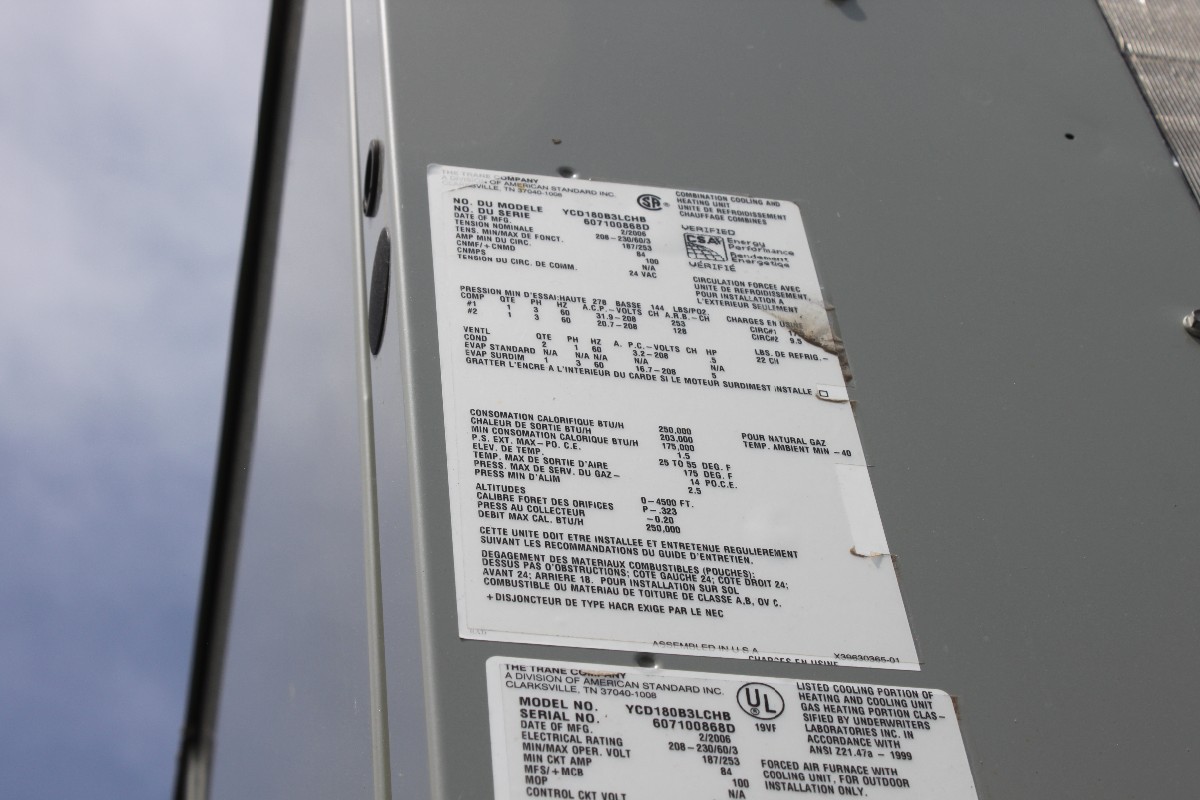
Complete camera-to-closeout journey in developmentYCD180B3LCHB · Serial 607100868D. The original nameplate remains inspectable. Unsupported configuration facts stay unknown.
Inspect the original plate ↗Illustrative visit and delivery states. Original photo author/time are not established. Drawn or typed acknowledgement is sample packet review only; no certification or legal waiver.
Field packets / IN DEPTH
Purpose, prerequisites and the evidence that belongs to the task.
A photograph is useful when the next person can understand what it shows and which job it belongs to. HVAI’s camera direction uses one persistent experience with NAMEPLATE and JOB SITE modes, while preserving the site or unit assigned to each capture. General site and access photographs can belong to the site without being forced onto a machine. The goal is evidence that survives the handoff, with the technician retaining control over its destination and meaning.
Switching screens after a shot must not silently attach it to a different unit. If context is missing, the capture should remain recoverable for later assignment. Suggested media matches remain suggestions until confirmed.
The intended field packet brings together site, equipment, visit and circuit identity; measurements with units and times; relevant graphs and media; findings, work performed and open items.
Technician review is the place to correct omissions and explain uncertainty. An acknowledgment or signature needs an explicit meaning and should not quietly authorize unrelated repairs.
Open a step to inspect what needs to stay clear.
Select the intended site or unit and capture the relevant observation. Preserve the original media and distinguish equipment identity from general job-site evidence.
Typed or dictated notes can explain conditions, changes and remaining questions. The record should distinguish what was observed from what was interpreted or performed.
Check that the identity, measurement sources, media and work description tell an understandable story. Resolve wrong destinations and missing context before sharing.
Local save, upload and authorized office receipt are separate states. Each needs its own confirmation rather than one generic success message suggesting the entire handoff completed.
Original media should remain retrievable before cleanup is offered. Organizing a job does not silently authorize backup of a personal photo library. Persistent capture context and complete closeout are development scope; the broader office workspace is planned.