Start with the real unit
Two similar rooftop units are still two separate assets. Confirmed identity should anchor the active work, so opening another unit’s history cannot redirect today’s probes or newly captured photographs.
 HVAIMeet your field loop ↗
The complete field loop
Identify the equipment, understand the readings, capture the work and leave a record that can carry the next visit forward.
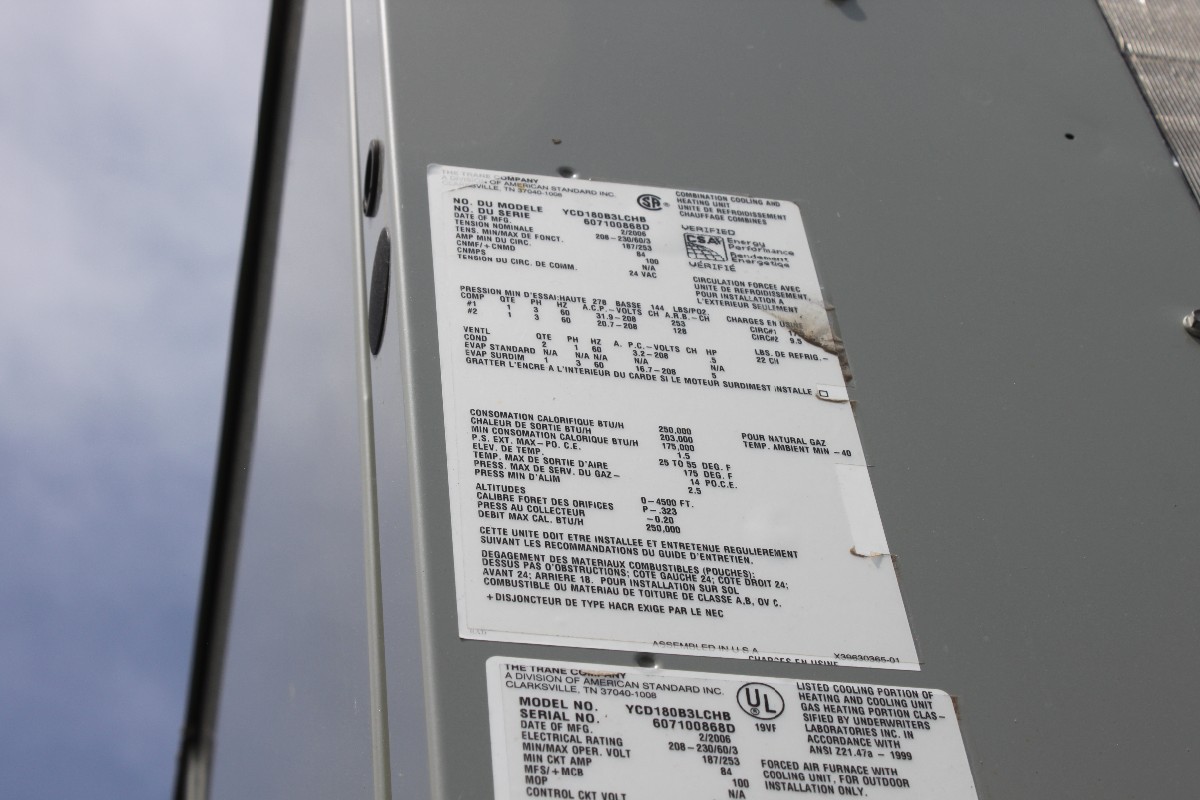
Workflow in developmentYCD180B3LCHB · Serial 607100868D. The original nameplate remains inspectable. Unsupported configuration facts stay unknown.
Inspect the original plate ↗Beautified product visualization · sample Trane unit. Changing a view does not scan, save or send a job record.
The complete workflow / IN DEPTH
Purpose, prerequisites and the evidence that belongs to the task.
A service visit produces an understanding of a particular machine. The nameplate establishes identity. Instruments describe its current operation. Photographs and notes explain what the technician found and changed. HVAI is being built to keep these pieces connected, with the site, physical unit, circuit and visit carried through the task. The purpose is practical: reduce the effort of reconstructing the job and make the evidence understandable while it is still fresh.
Two similar rooftop units are still two separate assets. Confirmed identity should anchor the active work, so opening another unit’s history cannot redirect today’s probes or newly captured photographs.
Live values, graphs and explanatory system views should use the same attributed measurement context. Switching screens should not change which circuit, source or time a number represents.
The intended result is a reviewed account of the visit: equipment identity, eligible measurements, observations, media and open items. A future visit can consult it without treating old readings as current operation.
Open a step to inspect what needs to stay clear.
Select the site and unit. Scan or confirm the nameplate, then review equipment identity and the basis of consequential specifications. Observed text and verified manufacturer facts remain distinct.
Discover supported tools, establish connection and confirm each physical role and circuit. A detected device is not yet a validated measurement source.
Inspect readings and their relationships with units, timestamps and validity visible. Explain what the available evidence supports and expose the observations that are still missing.
Keep photographs and findings with their confirmed destination. Review the collected evidence before closeout, correcting omissions and describing work performed and remaining questions.
Reopen the correct machine and its reviewed history. Establish a new visit and fresh measurements, preserving earlier observations instead of silently rewriting them.
The complete identify-to-reopen journey remains in development. A successful screen demonstration or build check is a different claim from physical instrument acceptance, durable saving, interruption recovery or confirmed synchronization.