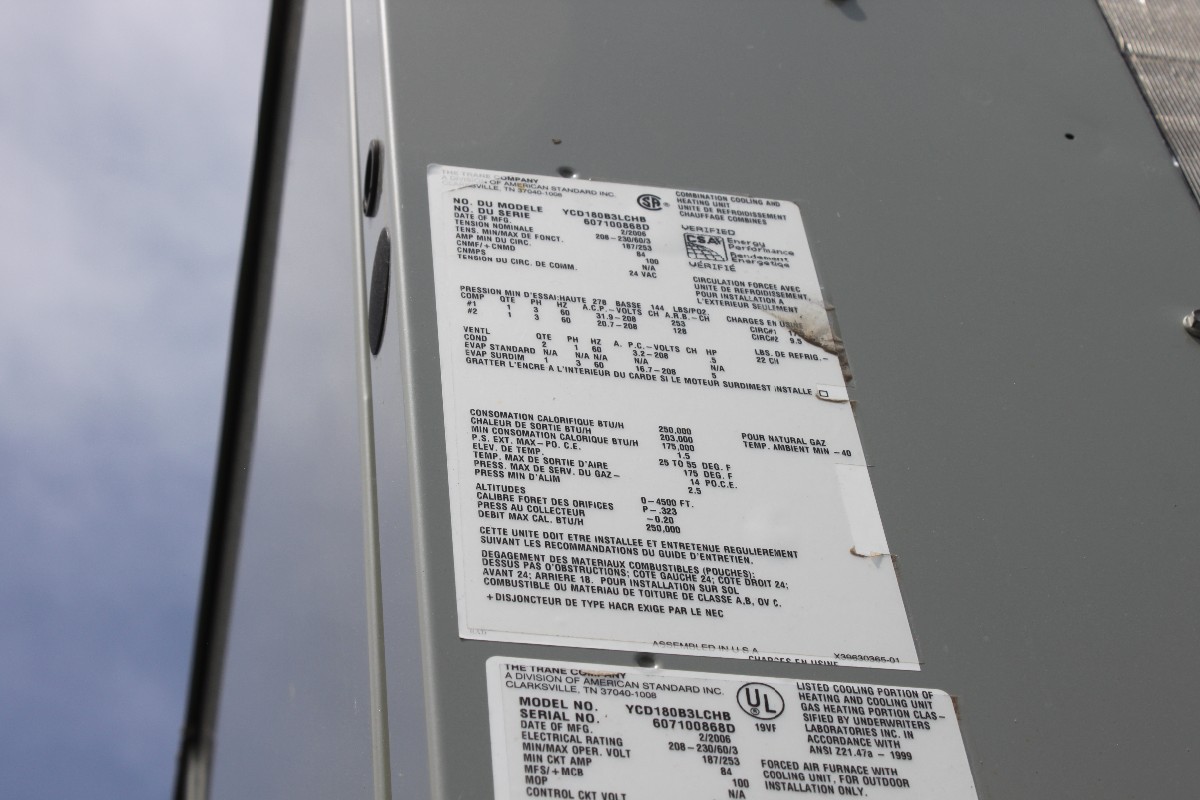
Identity before comparison
An expectation needs to apply to the installed equipment. Full model and relevant configuration matter; a manufacturer-family match alone does not validate every specification or test criterion.
 HVAIMeet your field loop ↗
Workflow scenario
Explore how an equipment-centered evidence record could support a defined inspection or commissioning documentation task.
Scenario for future scope and validationYCD180B3LCHB · Serial 607100868D. The original nameplate remains inspectable. Unsupported configuration facts stay unknown.
Inspect the original plate ↗Future documentation scenario. A sample packet is not a commissioning certificate, acceptance test or established project deliverable.
Commissioning / IN DEPTH
Purpose, prerequisites and the evidence that belongs to the task.
Commissioning and inspection work can require a clear account of equipment identity, observed conditions, applicable expectations and unresolved items. This page is a workflow scenario for discussion, not a claim that HVAI provides a complete commissioning suite. The proposed value is continuity: preserve the physical unit, attributed measurements, references and field evidence in a record a reviewer can understand. The actual test method and acceptance criteria must be established separately for the equipment and task.
An expectation needs to apply to the installed equipment. Full model and relevant configuration matter; a manufacturer-family match alone does not validate every specification or test criterion.
A reviewable record identifies the source, measurement location, time and validity behind an observation. Missing or stale inputs remain visible so they cannot silently support acceptance.
Findings, photographs and unresolved questions can describe what still needs attention. The record should distinguish a completed observation from an interpretation, a recommended action or a required test not yet performed.
Open a step to inspect what needs to stay clear.
Identify the equipment, responsible people, applicable procedure and required observations. Establish which evidence is within the proposed scope and which requires other tools or methods.
Review equipment facts and exact instrument combinations. Confirm physical roles and circuits before using readings to describe the observed condition.
Capture the eligible measurements and supporting media with explicit timestamps and destination. Preserve interruptions and manual observations as distinct evidence.
Compare only against an applicable basis. Document unresolved items and missing required tests, then review the packet with the people responsible for acceptance.
The six direct measurement roles do not establish exact airflow, delivered capacity, efficiency or whole-system acceptance. Formal tests, responsibilities and manufacturer requirements remain task-specific. No current commissioning certification or completed integration is claimed.